
CAPE CANAVERAL, Fla. (AP) -- An asteroid bigger than an aircraft carrier will dart between the Earth and moon on Tuesday - the closest encounter by such a huge rock in 35 years.
But scientists say not to worry. It won't hit.
"We're extremely confident, 100 percent confident, that this is not a threat," said the manager of NASA's Near Earth Object Program, Don Yeomans. "But it is an opportunity."
The asteroid named 2005 YU55 is being watched by ground antennas as it approaches from the direction of the sun. The last time it came within so-called shouting distance was 200 years ago.
Closest approach will occur at 6:28 p.m. EST Tuesday when the asteroid passes within 202,000 miles of Earth. That's closer than the roughly 240,000 miles between the Earth and the moon.
The moon will be just under 150,000 miles from the asteroid at the time of closest approach.
Both the Earth and moon are safe - "this time," said Jay Melosh, professor of Earth and atmospheric sciences at Purdue University.
If 2005 YU55 were to plow into the home planet, it would blast out a crater four miles across and 1,700 feet deep, according to Melosh's calculations. Think a magnitude-7 earthquake and 70-foot-high tsunami waves.
Scientists have been tracking the slowly spinning, spherical, dark-colored object since its discovery in 2005, and are positive it won't do any damage.
"We know the orbit of this object very well," Yeomans said.
The asteroid stretches a quarter-mile across. Smaller objects come close all the time, Yeomans noted, but nothing this big will have ventured so close since 1976. And nothing this large will again until 2028.
Radar observations from California and Puerto Rico will help scientists ascertain whether the asteroid is pockmarked with craters and holds any water-bearing minerals or even frozen water.
Amateur astronomers would need a 6-inch-or-bigger telescope and know exactly where to look to spot it.
Astronomers consider 2005 YU55 a C-type asteroid - one containing carbon-based materials. "It's not just a whirling rock like most of them," Yeomans said.
Such objects are believed to have brought carbon-based materials and water to the early Earth, planting the seeds for life. The discovery of water-bearing minerals or ice would support that theory, Yeomans said.
This is the type of asteroid that NASA would want to aim for, with astronauts, Yeomans said, especially if frozen water is found. Such asteroids could serve as watering holes and fueling stations for future explorers, he said.
The Weather Channel

The protein, extracted from rice plants containing human genes, could be used in hospitals to treat burns victims and help patients who have suffered severe blood loss.
The scientists behind the research claim it will provide a plentiful and safe alternative to products from human blood donations, which are in short supply due to falling numbers of donors, and get around the need to screen for diseases such as HIV and hepatitis.
Currently in the UK around 1.6 million pints of blood are needed every year but just four per cent of the eligible population donate.
Donated blood is separated into three components - red blood cells, platlets, which are used to aid blood clotting, and plasma, which is mainly made up of a protein called Human Serum Albumin and is given to patients suffering heavy blood loss.
By growing the genetically modified rice in fields, the researchers claim Human Serum Albumin could be mass produced for use in hospitals, reducing the need to purify it from blood donations.
Human Serum Albumin is the most abundant protein in human blood and performs important functions including carrying hormones and minerals around the body, mopping up harmful toxins from the blood stream and helping to regulate blood pressure.
Dr Daichang Yang, the scientist who led the research at Wuhan University in central China, said: "Human Serum Albumin is an important protein. The demand for it is estimated at more than 500 tons per year worldwide.
"Currently commercial production of HSA is primarily based on collected human plasma, which is limited in supply, but of high clinical demand.
"There is also an increasing public health concern with plasma derived HSA with its potential risk for transmission of blood-derived infectious pathogens such as hepatitis and HIV.
"The use of a rice seed bioreactor could provide an economical and safe approach for the production of non-animal derived compounds."
Dr Yang and his colleagues have developed a technique for inserting human genes into Asian rice using bacteria, turning the plants into biological "factories" that can produce proteins that are identical to those found in humans.
Their latest research, published in the scientific journal of theProceedings of the National Academy of Sciences, showed that they had successfully inserted DNA for Human Serum Albumin and the resulting protein was chemically and physically identical to that found in blood.
Over successive generations they were able to increase the amount of Human Serum Albumin produced in the rice grains until it accounted for 10 per cent of the soluble protein produced in the rice seeds.
It comes just months after Chinese scientists announced they had genetically modified a herd of around 300 diary cows to produce milk with the same qualities as human breast milk, which sparked widespread concerns among animal welfare campaigners.
The latest work to introduce human genes into rice is likely to inflame opposition to GM technology further amid fears over the safety of genetically modified crops and alarm at combining human genes with those from other species.
Dr Yang said, however, that the protein produced by the genetically modified rice was identical to Human Serum Albumin found naturally in blood. Tests on rats also showed it did not produce any adverse reactions.
They also treated rats suffering from cirrhosis with the protein and showed it was effective at relieving the symptoms, much like the naturally occurring protein found in human blood.
Dr Yang is also hoping to use genetically modified rice plants to produce other proteins found in human blood, including haemoglobin, which gives blood its distinctive red colour and is carries oxygen around the body, and key proteins from the immune system such as immunoglobulin.
A patent application filed by Dr Yang and his colleagues revealed they hope to adapt the technique to produce a wide range of human proteins that can be used in medical treatments.
The team are also working on a strain of genetically modified rice that produces proteins that are similar to insulin for use in treating diabetes.
Gavin Murphy, a consultant in cardiac surgery at Bristol Royal Infirmary and a senior lecturer at the University of Bristol who studies the impact of blood transfusions on patients, described said the research had the potential to revolutionise the supply of blood products for use in hospital.
He said: "This is ground breaking stuff, but so far they have only validated it in rats. The real test will be to show it is safe in humans, can be purified and sterilised effectively.
"With this approach they will be able to grow these plants in fields and produce blood proteins on a huge scale that would really solve all of the supply issues we currently face."
The Telegraph

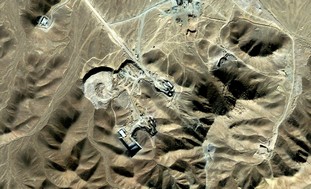 A report by the UN nuclear watchdog this week will support allegations that Iran built a large steel container for carrying out tests with high explosives that could be used in nuclear weapons, sources briefed on the document disclosed over the weekend.
The International Atomic Energy Agency obtained satellite pictures of the container at Parchin, near Tehran, and other evidence that lent credence to allegations by IAEA member states that the installation was intended for nuclear-related explosives testing, the sources said.
The IAEA will also reveal evidence that Iran carried out computer modeling of a nuclear weapon, one source said.
Western diplomats said the eagerly-awaited report will strengthen suspicions that Tehran is seeking to develop the capability to make atomic bombs, but stop short of explicitly saying it is doing so.
On Saturday, Foreign Minister Ali Akbar Salehi denied any links between the country’s missile testing and its nuclear program, saying any document that connects the two is “baseless and non-authentic,” Iran’s FARS News Agency reported.
The Iranian foreign minister went on to say that if the IAEA were to release these documents, it would only prove that the nuclear watchdog was under pressure from “Western powers.”
Iran blasted the US and Israel on Saturday for their reported plans to attack the Islamic Republic over its nuclear program, urging the international community – including the United Nations – to condemn the two nations for their combative remarks.
Iranian Ambassador to Uruguay Hojjatollah Soltani said that such threats were a gross violation of intentional law.
“The UN, by condemning Israel and the US, will have to prove to all that the world belongs to all countries and nations, and is not in the hands of only a few states,” Channel 10 quoted Sultani as saying.
President Shimon Peres on Friday said that he believes Israel is closer to employing the military option in dealing with Iran’s nuclear program than it is to finding a diplomatic solution to the threat.
In an interview with Channel 2, the president suggested that the media speculation about a possible attack on Iran may have some basis in truth.
“Intelligence services in many countries are looking at the clock and warning their leaders that not much time remains,” he said. “I do not know if these world leaders will act on this advice.”
Iran could be as close as six months from becoming nuclear armed, and it is Israel’s role to warn the world of the danger, Peres said. He suggested that the speculation about an attack on Iran may be a way of reminding the world of the Iranian threat.
“Iran is nearing atomic weapons and in the time left we must turn to the world’s nations and demand [they] fulfill their promise... which is not merely passing sanctions. What needs to be done must be done, and there is a long list of options.”
Earlier on Friday, Defense Minister Ehud Barak said Israel’s position on Iran has not changed, despite recent Israeli media reports of a possible strike.
“I propose we wait and see the IAEA report,” Barak said, adding that he believes that if the UN nuclear watchdog will be “daring enough to say bluntly what they know about [Iran’s] nuclear program,” the world will understand the Iranian threat is international.
Speaking in an interview with Stephen Sakur of the BBC, the defense minister repeated Israel’s position that Iran must be prevented from obtaining nuclear weapons, and that no options should be taken off the table to that end.
A senior military official told CNN on Friday that the United States fears that Israel may be preparing a strike on Iran.
The US was “absolutely” concerned about a potential Israeli attack, and the US military was “increasingly vigilant” of activities in both Israel and Iran that could indicate military intentions, the senior official said.
The official also said that while the US had no intention of striking Iran, it was uncertain that Israel would inform America of its intentions, should it choose to take out Iran’s nuclear facilities. Such an operation would be difficult, the official said, because Iran has “top notch” air defenses.
A senior US military official said on Friday that Iran had become the biggest threat to the US.
“The biggest threat to the United States and to our interests and to our friends... has come into focus and it’s Iran,” the official said, addressing a forum in Washington. Reporters were allowed to cover the event on condition the official not be identified.
The official said he did not believe Iran wanted to provoke a conflict and that he did not know if the Islamic state had decided to build a nuclear weapon.
In Tehran, thousands of students burned US flags and pictures of President Barack Obama in a rally marking the anniversary of the 1979 seizure of the US Embassy.
President Nicolas Sarkozy, speaking at a G20 summit of world leaders in France, said, “Iran’s behavior and this obsessional desire to acquire nuclear military [capability] is in violation of all international rules... If Israel’s existence were threatened, France would not stand idly by.”
Jerusalem Post
A report by the UN nuclear watchdog this week will support allegations that Iran built a large steel container for carrying out tests with high explosives that could be used in nuclear weapons, sources briefed on the document disclosed over the weekend.
The International Atomic Energy Agency obtained satellite pictures of the container at Parchin, near Tehran, and other evidence that lent credence to allegations by IAEA member states that the installation was intended for nuclear-related explosives testing, the sources said.
The IAEA will also reveal evidence that Iran carried out computer modeling of a nuclear weapon, one source said.
Western diplomats said the eagerly-awaited report will strengthen suspicions that Tehran is seeking to develop the capability to make atomic bombs, but stop short of explicitly saying it is doing so.
On Saturday, Foreign Minister Ali Akbar Salehi denied any links between the country’s missile testing and its nuclear program, saying any document that connects the two is “baseless and non-authentic,” Iran’s FARS News Agency reported.
The Iranian foreign minister went on to say that if the IAEA were to release these documents, it would only prove that the nuclear watchdog was under pressure from “Western powers.”
Iran blasted the US and Israel on Saturday for their reported plans to attack the Islamic Republic over its nuclear program, urging the international community – including the United Nations – to condemn the two nations for their combative remarks.
Iranian Ambassador to Uruguay Hojjatollah Soltani said that such threats were a gross violation of intentional law.
“The UN, by condemning Israel and the US, will have to prove to all that the world belongs to all countries and nations, and is not in the hands of only a few states,” Channel 10 quoted Sultani as saying.
President Shimon Peres on Friday said that he believes Israel is closer to employing the military option in dealing with Iran’s nuclear program than it is to finding a diplomatic solution to the threat.
In an interview with Channel 2, the president suggested that the media speculation about a possible attack on Iran may have some basis in truth.
“Intelligence services in many countries are looking at the clock and warning their leaders that not much time remains,” he said. “I do not know if these world leaders will act on this advice.”
Iran could be as close as six months from becoming nuclear armed, and it is Israel’s role to warn the world of the danger, Peres said. He suggested that the speculation about an attack on Iran may be a way of reminding the world of the Iranian threat.
“Iran is nearing atomic weapons and in the time left we must turn to the world’s nations and demand [they] fulfill their promise... which is not merely passing sanctions. What needs to be done must be done, and there is a long list of options.”
Earlier on Friday, Defense Minister Ehud Barak said Israel’s position on Iran has not changed, despite recent Israeli media reports of a possible strike.
“I propose we wait and see the IAEA report,” Barak said, adding that he believes that if the UN nuclear watchdog will be “daring enough to say bluntly what they know about [Iran’s] nuclear program,” the world will understand the Iranian threat is international.
Speaking in an interview with Stephen Sakur of the BBC, the defense minister repeated Israel’s position that Iran must be prevented from obtaining nuclear weapons, and that no options should be taken off the table to that end.
A senior military official told CNN on Friday that the United States fears that Israel may be preparing a strike on Iran.
The US was “absolutely” concerned about a potential Israeli attack, and the US military was “increasingly vigilant” of activities in both Israel and Iran that could indicate military intentions, the senior official said.
The official also said that while the US had no intention of striking Iran, it was uncertain that Israel would inform America of its intentions, should it choose to take out Iran’s nuclear facilities. Such an operation would be difficult, the official said, because Iran has “top notch” air defenses.
A senior US military official said on Friday that Iran had become the biggest threat to the US.
“The biggest threat to the United States and to our interests and to our friends... has come into focus and it’s Iran,” the official said, addressing a forum in Washington. Reporters were allowed to cover the event on condition the official not be identified.
The official said he did not believe Iran wanted to provoke a conflict and that he did not know if the Islamic state had decided to build a nuclear weapon.
In Tehran, thousands of students burned US flags and pictures of President Barack Obama in a rally marking the anniversary of the 1979 seizure of the US Embassy.
President Nicolas Sarkozy, speaking at a G20 summit of world leaders in France, said, “Iran’s behavior and this obsessional desire to acquire nuclear military [capability] is in violation of all international rules... If Israel’s existence were threatened, France would not stand idly by.”
Jerusalem Post

Prime Minister Papandreou has asked the president to host talks between himself and opposition leader Antonis Samaras after a Sunday cabinet meeting, a source at the prime minister's office quoted the premier as telling his cabinet.
The main goal, duration and leader of an interim coalition administration must be agreed before Mr Papandreou resigns.
"We only have to wait for the prime minister's announcements in the cabinet," he said. "Everything must be done within the day, otherwise tomorrow it will be hell," Pasok party member Telemachos Hitiris toldGreek state television.
Negotiations with main opposition party are stuck on the issue of Mr Papandreou tendering his resignation before the details of a coalition pact on implementing the eurozone bailout are sealed.
President Karolos Papoulias met the conservative opposition leader, shortly before the socialist cabinet was due to hold a special session.
"This uncertainty that is torturing the Greek people must end. We must find a solution," President Papoulias said before starting closed-door talks with New Democracy leader Antonis Samaras.
But Mr Samaras rejected any compromise while Mr Papandreou remains prime minister.
"I am determined to help. Provided that Papandreou resigns, everything will take its course," he said after the talks, without saying explicitly whether he would join a coalition.
The Telegraph

The Prime Minister condemned the “endless questions and changes” in the eurozone that led to the G20 summit of world leaders ending acrimoniously without a detailed plan. His warning that the crisis is having a “chilling effect” on the economy heightened fears that growth in Britain has stalled.
Following the two-day meeting in Cannes, Germany and France failed to explain how they intended to implement a €1trillion rescue package for the single currency after admitting that they were struggling to raise sufficient funds.
The US objected to proposals to increase substantially the size of the International Monetary Fund, which could directly help countries such as Italy. President Barack Obama made clear that he wanted eurozone countries to do more to solve the single currency’s problems.
Cash-rich emerging economies such as China were also not willing to help finance the eurozone bail-out until the Europeans themselves did more.
President Nicolas Sarkozy warned that a deal involving the eurozone and the IMF could take until February to finalise.
The Telegraph

The world's biggest banks - four of them British - have been told to undertake sweeping reforms, or risk failing critical stress tests.
The financial stability board (FSB) has given the 29 banks, including Royal Bank of Scotland, Lloyds TSB, HSBC and Barclays until next October to pass tests which would enable them to be safely dismantled if they went bust.
They must also carry out far-reaching changes to prove they would not have to be supported by the Government if they did near collapse.
The test stemmed from the collapse of Lehman Brothers, which many believe triggered the global recession.
Sky's economics editor Ed Conway said the 29 banks also included other household names such as Goldman Sachs and Morgan Stanley.
"If they do not pass the test, the truth is that each regulatory authority around the world then will have the power to be able to tell them to do something about it and to intervene if necessary.
"The point is to bring the world's financial system to a state where some of the banks can fail without taking the entire system down with them.
"The effort is to create a world where there is no bank that is too big to fail, but right now, according to the authorities and the people who know, we are a long way off that."


